
Care Home Kitchen Suppliers: Your Complete Guide for 2026
A practical, no-nonsense guide to choosing the right care home kitchen suppliers in the UK — covering equipment standards, moisture control, hygiene compliance, and how to get the best value without cutting corners.
What Care Home Kitchens Actually Need
Care home kitchen suppliers provide specialist commercial-grade equipment designed for high-volume meal preparation in residential care settings. That's the short version. But honestly, I've seen too many care homes try to cobble together a kitchen from domestic retailers and end up replacing everything within 18 months.
A care home kitchen isn't your standard domestic setup. Not even close. You're looking at preparing 60–150 meals per day in most medium-sized facilities, three times daily, plus snacks. The equipment needs to handle that volume without breaking down on a Tuesday afternoon when you've got 40 residents waiting for lunch.
Core Equipment Requirements
Right, let's get stuck in. The essentials include:
- Commercial combination ovens (typically 10–20 grid capacity)
- Blast chillers meeting HSE food safety requirements
- Stainless steel preparation surfaces (minimum 1.2mm gauge)
- Industrial dishwashers capable of 60+ racks per hour
- Appropriate ventilation and extraction systems
- Temperature monitoring equipment for HACCP compliance
The difference between domestic and commercial comes down to three things: durability, output capacity, and compliance. A domestic oven from B&Q kitchens or an IKEA kitchen setup simply won't meet CQC inspection standards for a care facility. I've spoken with care home managers who learned this the hard way.
Choosing the Right Care Home Kitchen Suppliers
Specialist catering equipment suppliers differ from high-street kitchen companies in several critical ways. They understand food safety legislation, they offer maintenance contracts, and they design layouts that pass environmental health inspections first time.
So what should you look for? Here's what I'd recommend based on what I've seen work well:, a favourite among Britain’s tradespeople
Specialist vs High-Street Options
Look, I know the price seems steep when you compare specialist suppliers to somewhere like Wickes kitchens or Screwfix. But there's a reason. Commercial kitchen taps from Screwfix might cost £35–£80, while a proper commercial pre-rinse unit from a specialist supplier runs £180–£350. The difference? The commercial unit handles 200+ uses daily and meets BS EN standards for care environments.
That said, not everything needs to come from a specialist. Items like kitchen bins (Home Bargains kitchen bins are perfectly adequate for non-food-contact waste areas), basic storage solutions, and staff room equipment can come from standard retailers. No need to gold-plate every purchase.
What to Ask Before Signing a Contract
I've put together a quick checklist that's served me well:
- Do they offer full design-to-installation service?
- What's the warranty period? (Minimum 2 years for commercial equipment)
- Can they provide references from other care homes?
- Do they handle gas safety certification and electrical sign-off?
- What's the lead time? In spring 2026, expect 6–12 weeks for bespoke installations
Supplier Comparison: High Street vs Specialist Care Home Kitchen Providers
Here's a breakdown I put together comparing your options. This should help clarify where to spend and where to save.
| Criteria | Specialist Care Home Suppliers | High-Street (IKEA, Wickes, B&Q) | Trade Outlets (Screwfix, Plumbing Merchants) |
|---|---|---|---|
| Commercial-grade equipment | Yes — full range | No — domestic only | Limited (taps, fixings, ventilation) |
| CQC/EHO compliance support | Yes — included in service | No | No |
| Installation & gas safe | Yes — certified engineers | Varies (often subcontracted) | No (supply only) |
| Maintenance contracts | Yes — 24/48hr response typical | No | No |
| Average kitchen refit cost | £55,000–£120,000 | £8,000–£25,000 (domestic spec) | N/A (components only) |
| Design service | CAD layout with workflow planning | Basic room planning tools | No |
| Warranty | 2–5 years | 1–2 years | 1 year typical |
Worth the extra spend? In my experience, yes. A specialist supplier's design service alone can save you thousands by optimising workflow and avoiding costly layout mistakes that fail inspection.
Moisture, Damp & Air Quality in Care Home Kitchens
This is the bit most people overlook until it becomes a serious problem. Care home kitchens generate enormous amounts of steam and moisture — we're talking 10–15 litres of water vapour per day in a busy kitchen. Without proper moisture management, you'll end up with mould, structural damp, and air quality issues that affect the entire building., meeting British quality expectations
Why Dehumidification Matters
Mould dehumidification isn't just about comfort. In a care home, residents often have compromised immune systems. The NHS recommends maintaining indoor humidity between 40–60% to prevent respiratory issues. A kitchen pumping excess moisture into corridors and communal areas creates genuine health risks.
Whole home dehumidification systems are increasingly specified in new care home builds. For existing facilities, standalone commercial dehumidifiers offer a practical retrofit solution. Care homes on the south coast — Brighton being a good example — tend to struggle particularly with condensation in kitchen-adjacent areas, given the coastal air doesn't exactly help matters.
Practical Solutions for Damp Removal
There are several ways to dehumidify a care home effectively:
- Commercial extraction systems: Essential above cooking stations, minimum 30 air changes per hour
- Desiccant dehumidifiers: Ideal for consistent performance at lower temperatures (common in UK kitchens during winter)
- Refrigerant dehumidifiers: More energy-efficient above 15°C, suitable for heated kitchen environments
- Moisture absorbers: Useful for small storage areas and pantries, but won't handle main kitchen output
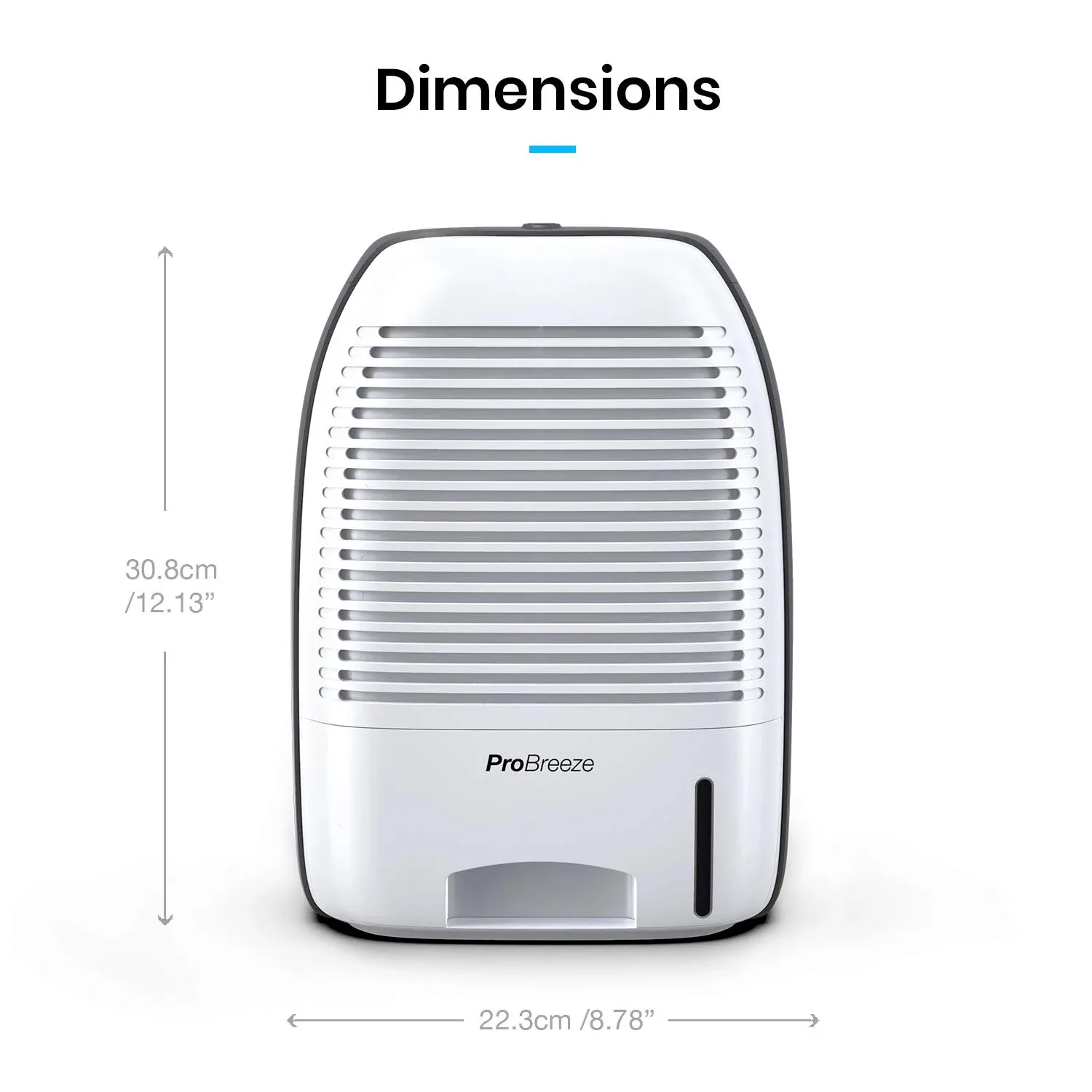
For smaller utility areas or staff rooms adjacent to the kitchen, a compact dehumidifier can make a real difference. Units priced around £52.49 handle bedrooms and small spaces effectively — though for the main kitchen environment, you'll need something with considerably more capacity. Check our guide to dehumidifiers for UK homes for detailed specifications on different capacity ranges.
An air purifier can complement your moisture control strategy, particularly in dining areas adjacent to the kitchen. To be clear though, air purifiers don't remove moisture — they handle particulates and odours. You need both systems working together for proper air quality management. For options on dehumidifiers available through major retailers, we've reviewed the current market.
Compliance, Standards & Safety Regulations
Care home kitchen suppliers worth their salt will ensure your installation meets all relevant standards. This isn't optional — it's the law, and CQC inspectors will check., popular across England
Key Regulations for 2026
The regulatory market hasn't changed dramatically this year, but enforcement has tightened. Here's what your supplier should be addressing:
- Food Safety Act 1990 and Food Hygiene Regulations 2006
- BS EN 16282 — commercial kitchen ventilation standards
- Gas Safety (Installation and Use) Regulations 1998
- Electricity at Work Regulations 1989
- BSI standards for stainless steel food contact surfaces (BS EN 10088)
Honestly, it's a lot to keep track of — and that's precisely why specialist care home kitchen suppliers earn their premium. They handle compliance as part of the package. A kitchen company focused on domestic installations simply won't have this expertise.
HACCP and Temperature Control
Every care home kitchen needs a documented HACCP plan. Your supplier should provide equipment that supports this: probe thermometers with ±0.5°C accuracy, blast chillers that reach 3°C within 90 minutes, and hot-holding units maintaining 63°C minimum. These aren't suggestions — they're legal requirements under UK food safety law.
Budget Planning & Cost Breakdown

Right, let's talk money. Because this is where most care home managers feel the pressure. A full kitchen refit is a significant capital investment, but there are ways to manage costs without compromising on safety or compliance.
Typical Cost Breakdown (40-bed care home, 2026 prices)
| Item Category | Budget Range | Notes |
|---|---|---|
| Combination ovens (x2) | £8,000–£18,000 | Rational or Convotherm most specified |
| Refrigeration (walk-in + undercounter) | £6,000–£14,000 | Energy rating critical for running costs |
| Dishwashing | £3,500–£8,000 | Pass-through minimum for care homes |
| Extraction & ventilation | £5,000–£15,000 | Includes canopy, ductwork, make-up air |
| Stainless steel fabrication | £4,000–£10,000 | Worktops, shelving, wall cladding |
| Flooring (non-slip, coved) | £3,000–£7,000 | Altro or Polyflor typical specification |
| Installation & project management | £8,000–£20,000 | Gas, electrical, plumbing, commissioning |
| Dehumidification & air quality | £1,500–£4,000 | Commercial units for kitchen environment |
| Total estimate | £39,000–£96,000 | Excludes building works/structural changes |
These figures reflect June 2026 pricing. Supply chain pressures have eased compared to 2023–2024, but stainless steel costs remain approximately 15% above pre-pandemic levels.
Saving Without Compromising
A few strategies I've seen work well:, with availability in Scotland
- Phased replacement: Spread the cost over 2–3 financial years, prioritising safety-critical items first
- Refurbished equipment: Reputable suppliers offer reconditioned combination ovens at 40–50% of new price
- Lease agreements: Monthly payments of £800–£2,000 preserve capital for other improvements
- Energy efficiency grants: Some local authorities offer funding for commercial kitchen upgrades that reduce energy consumption
For the best value on supporting equipment like dehumidifiers and air quality products, comparing specialist suppliers against high-street options can save 20–30% without sacrificing performance.
Frequently Asked Questions

What should I look for in care home kitchen suppliers?
Look for suppliers offering full design-to-installation service, CQC compliance expertise, and maintenance contracts with 24–48 hour response times. They should provide CAD layout planning, handle all gas and electrical certification, and offer minimum 2-year warranties on commercial equipment. References from existing care home clients are essential.
Can I use domestic kitchen suppliers like IKEA or Wickes for a care home?
No. Domestic kitchens from IKEA, Wickes, or B&Q don't meet commercial food safety standards required by CQC and environmental health officers. Domestic equipment isn't rated for the 60–150 meals per day a typical care home produces. You'd fail inspection and void insurance. Staff areas and non-food-prep spaces are exceptions.
How much does a care home kitchen refit cost in 2026?
A full care home kitchen refit for a 40-bed facility typically costs £39,000–£96,000 in June 2026, excluding structural building works. Equipment accounts for 60–70% of spend. Costs vary significantly based on capacity requirements, existing infrastructure, and whether you choose new or refurbished equipment.
How do I control moisture and damp in a care home kitchen?
Install commercial extraction achieving minimum 30 air changes per hour above cooking stations. This removes 70–80% of airborne moisture. For residual humidity, use commercial dehumidifiers rated for the space. Maintain relative humidity between 40–60% as recommended by the NHS. Regular maintenance of extraction filters is critical — monthly cleaning minimum.
What regulations apply to care home kitchens in the UK?
Key regulations include the Food Safety Act 1990, Food Hygiene Regulations 2006, Gas Safety Regulations 1998, and Electricity at Work Regulations 1989. Kitchens must also comply with BS EN 16282 for ventilation and BS EN 10088 for food-contact surfaces. CQC inspectors assess compliance during routine visits, typically annually.
How often should care home kitchen equipment be serviced?
Commercial kitchen equipment requires quarterly servicing minimum, with gas appliances needing annual Gas Safe inspection. Extraction systems should be deep-cleaned every 6–12 months depending on usage. Most specialist care home kitchen suppliers offer maintenance packages covering all scheduled servicing for £2,000–£5,000 annually.
Key Takeaways
- Specialist care home kitchen suppliers are essential — domestic kitchen retailers like IKEA, Wickes, and B&Q don't meet CQC or food safety standards for care environments.
- Budget £39,000–£96,000 for a full kitchen refit in a 40-bed care home (2026 pricing), with equipment representing 60–70% of total cost.
- Moisture control is non-negotiable — care home kitchens produce 12–18 litres of airborne moisture daily, requiring commercial extraction plus dehumidification to maintain safe humidity levels.
- Compliance drives supplier choice — your supplier must handle Food Safety Act, Gas Safety Regulations, and BS EN standards as part of their service package.
- Maintenance contracts save money long-term — 24–48 hour response times prevent costly kitchen closures and temporary catering arrangements.
- Phased replacement and refurbished equipment can reduce upfront costs by 30–50% without compromising safety or inspection outcomes.
- Always request care home references — a supplier's domestic or restaurant experience doesn't automatically translate to care sector expertise.
Ready to banish condensation with {brand_name}?
Shop the Dehumidifier — £61.84